Introduction
Welcome to the Hackney and the City of London Health and Wellbeing Profiles website. This website brings together data and evidence that help to develop local priorities for policy, strategy and commissioning with an aim of improving residents’ health and reducing inequalities.
Most of the evidence here is gathered through the Joint Strategic Needs Assessment (JSNA) process. The JSNA is an ongoing process which helps to identify the health and wellbeing needs of the local population. It is a statutory requirement to conduct the JSNA and local authorities, the NHS, other core Hackney Health and Wellbeing Board and the City of London Health and Wellbeing Board members together contribute to the JSNA with their knowledge and expertise.
Recent Publications
News and Updates
Pandemic Preparedness, Response and Recovery Plan – 2025
Published December 2025
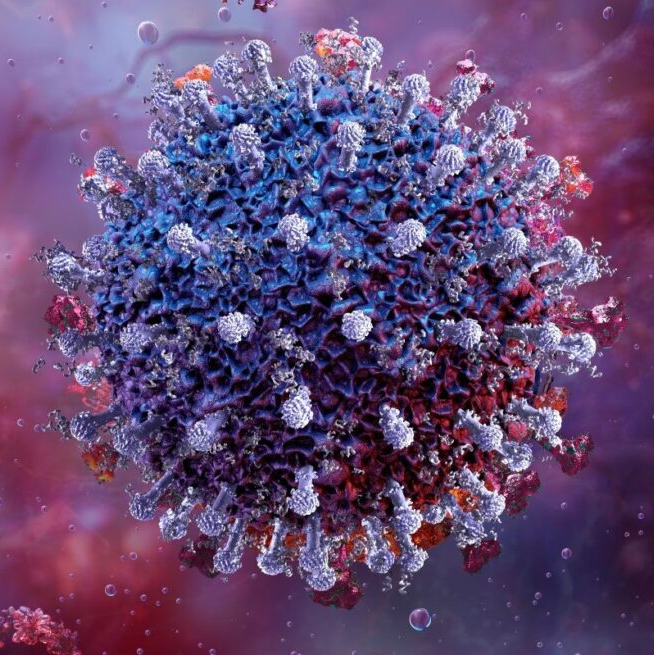
Pandemics occur when a new disease spreads rapidly across many people, and often around the world. Because the disease is new, many people do not have protection (existing immunity) against it. As a result, pandemics can be devastating, and can cause serious illness and death. They also put great pressure on health and care services, and disrupt daily lives including education, businesses and the wider economy.
As seen during COVID-19, some groups are more likely to be harmed than others in a future pandemic, including people with no recourse to public funds, some ethnic communities, non-English speakers, people experiencing homelessness, and those working in jobs with a higher risk of infection.
Our recently published Pandemic Preparedness, Response and Recovery Plan explains how we intend to prepare for, respond to and recover from a potential pandemic. It sets out how we aim to act fairly and effectively to protect everyone in the City of London and Hackney.
Children and Young People’s Mental Health Needs Assessment – 2025
Published October 2025
The 2025 Children and Young People’s Mental Health Needs Assessment aims to understand the current mental health and wellbeing needs of children and young people in the City of London and the London Borough of Hackney.
It recommends reducing inequalities by ensuring services are community-led and culturally informed; improving communication and information-sharing for young people, parents, and professionals; developing more flexible, needs-based approaches beyond; strengthening the role of schools as key partners, particularly during key transition periods; and improving data sharing and quality to better understand needs and drive service improvement.
Eating Disorders in City and Hackney 2025 – Understanding local patterns and inequalities
Published October 2025
A new Public Health report highlights a significant increase in eating disorders across City and Hackney. These are serious mental health conditions, and our latest data reveals that local diagnoses are rising, with stark inequalities impacting our communities.
These inequalities highlight the need for early identification and accessible, responsive services. Read the Public Health team’s new report to explore these findings in full and understand what they mean for our communities.